
Awareness is the key to safety
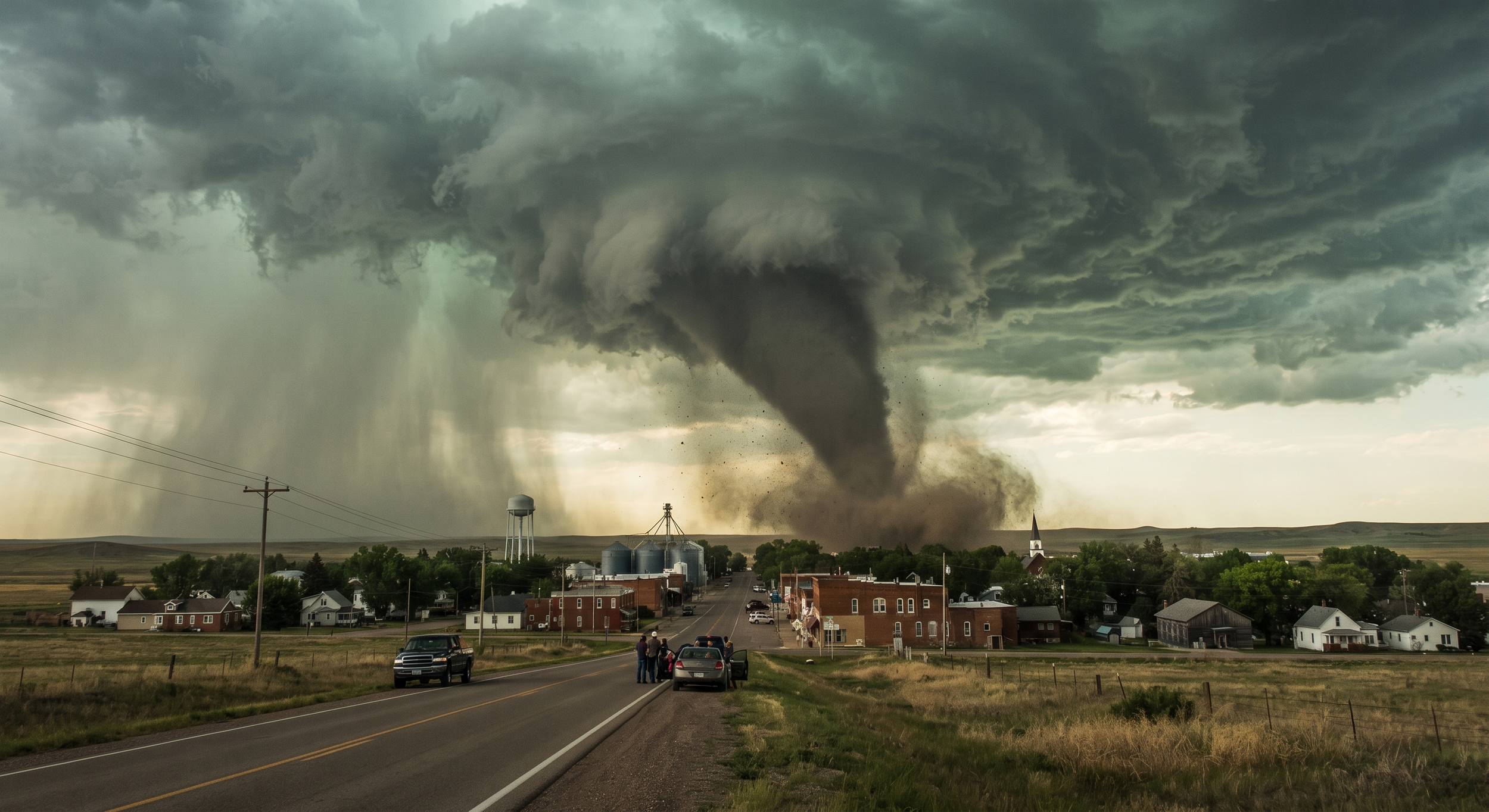
How to Stay Safe During Unexpected Storms: A Practical Guide
Weather patterns are becoming increasingly unpredictable. A clear morning sky can rapidly transform into a severe thunderstorm by afternoon, catching commuters, outdoor enthusiasts, and families completely off guard. When severe weather strikes, seconds count. Knowing how to prepare and how to react can protect your home, your family, and yourself from unnecessary risk.

This practical guide outlines actionable steps you can take today to ensure you are never left vulnerable when the skies turn gray.
1. Create a Digital Safety Buffer
The most dangerous aspect of a storm is the element of surprise. Standard weather tracking often fails to notify you until the rain is already hitting your windows. Relying on manual check-ins leaves room for error. Building a digital buffer means choosing a dedicated severe weather app that does the heavy lifting for you.
Look for tools that prioritize immediate communication. For instance, the All Weather Mode launcher replaces passive notifications with immediate, unmissable severe weather alerts right on your home screen. This ensures you see high-priority threats the moment meteorologists issue them, giving you the necessary lead time to seek shelter or adjust your travel plans.
2. Audit Your Home Infrastructure
Preparation happens long before a drop of rain falls. Regular home maintenance significantly reduces the risk of property damage during high-wind events and heavy downpours.
- Clear the gutters: Blocked downspouts cause water to pool, leading to roof leaks and foundation damage during torrential rains. Clean them at least twice a year.
- Inspect nearby trees: Dead branches can easily become dangerous projectiles in 50 mph winds. Trim problematic limbs that hang over your roof or power lines.
- Secure loose outdoor items: Patio furniture, trash cans, and potted plants should be easily moveable. Plan a designated space in your garage or shed to store them quickly.
3. Build a Functional Go-Kit
If severe storms cause a power outage, searching through dark closets for flashlights is inefficient and stressful. A dedicated emergency kit keeps your essentials centralized.

Skip the complex survival gear and focus on the basics. Pack a durable, waterproof bin with a three-day supply of bottled water, non-perishable food items, a hand-crank radio, and portable phone chargers. Keep this kit in an easily accessible location, such as a ground-floor closet or a designated spot in your basement.
4. Know Your Location-Specific Shelter Plan
Sheltering correctly depends entirely on where you are when the sirens sound. Never wait for the storm to arrive before deciding where to go.
- At home: Move to the lowest possible level, such as a basement. If you do not have a basement, choose an interior room like a bathroom or closet away from windows and exterior walls.
- In a vehicle: Driving during intense storms is highly discouraged. If you are caught on the road, find a safe parking lot, stay inside the vehicle with your seatbelt buckled, and park away from trees or power lines.
- At work: Familiarize yourself with your building’s designated safety zones, which are typically reinforced stairwells or interior hallways.